
August 1, 2026
The Actual Usage Period at Which an Annual OTT Subscription Becomes More Cost-Effective Than Monthly Billing
Choosing between monthly and annual payments to find the better low price depends on how long you plan to maintain your subscription, how much you use the service, and whether you are likely to cancel before the billing period ends.
Annual plans typically reduce the average monthly cost because you pay upfront for the entire year. However, that discount only makes sense if you continue using the service long enough to offset the larger initial payment. If you only subscribe for a few months to watch a specific series or sporting event, monthly payments may result in a lower total cost despite the higher monthly fee.
Before deciding, calculate your break-even point using the current subscription price, then compare that result to your own viewing habits instead of relying solely on advertised discounts.

Find the Break-Even Month From the Current Prices
The break-even point is the point where paying month by month costs the same as paying for an annual subscription. After this point, the annual plan becomes the less expensive option.
The calculation is straightforward:
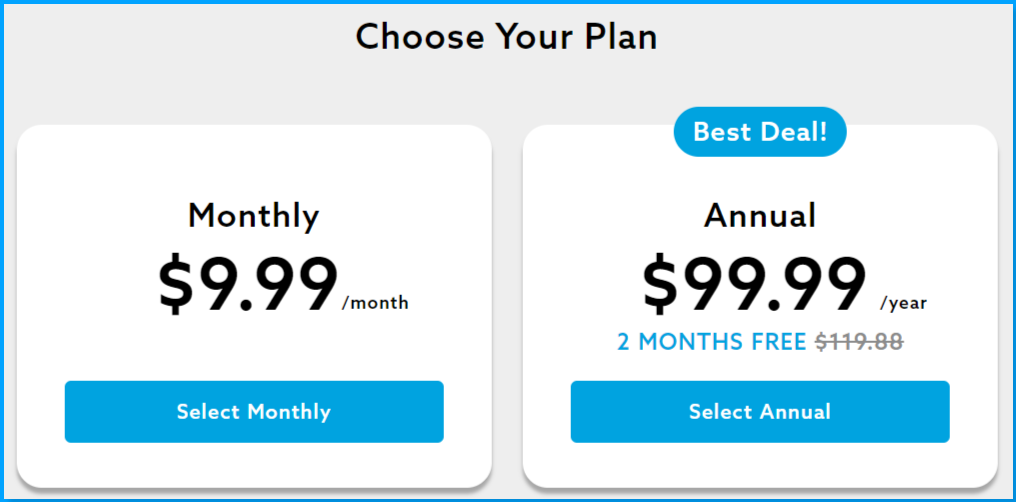
Break-even period = Annual subscription price ÷ Monthly subscription price
For example, assume an OTT platform charges:
- Monthly plan: $12
- Annual plan: $96
The calculation is:
96 ÷ 12 = 8 months
This means:
- If you expect to use the service for less than eight months, monthly billing costs less overall.
- If you expect to continue beyond eight months, the annual subscription begins saving money.
- At exactly eight months, both options cost the same.
The exact break-even period varies because every streaming platform sets different prices and discounts. Rather than assuming an annual subscription always saves money after a certain number of months, calculate it using the current prices for the specific plan you intend to purchase.
It is also important to compare the same subscription tier. Comparing a Premium annual plan with a Standard monthly plan, for example, will produce a misleading result because the features and pricing are different.
Test the Calculation Against Your Real Viewing Pattern
Knowing the break-even point is only the first step. The more important question is whether your actual viewing habits are likely to reach it.
People often overestimate how long they will keep a subscription. A service may seem worth paying for every month when a popular series is released, but usage can decline significantly after the content that originally attracted you has ended.
If you usually keep the same streaming service throughout the year, watch multiple original series, or regularly follow live sports, an annual subscription is more likely to provide better value because your usage extends well beyond the break-even point.
Monthly billing is often a better choice for people who rotate between different streaming services. Many viewers subscribe for one or two months, finish a particular show, cancel the subscription, and move to another platform when new content becomes available. In this situation, paying for a full year often results in unused months rather than genuine savings.
First-time subscribers should also be cautious about committing immediately to an annual plan. Spending a few months with monthly billing allows you to evaluate the content library, streaming quality, user interface, and device compatibility before making a longer financial commitment.
Instead of estimating future usage, consider how you have used streaming services over the past year. Your previous subscription habits are often a more reliable guide than your expectations.
Account for Refund and Cancellation Policies
The annual price alone does not determine whether an annual subscription is the better choice. Refund and cancellation policies can have an equally important effect on the total cost.
Some streaming services allow subscribers to cancel at any time while continuing to access the service until the end of the prepaid billing period. Others may not provide refunds for unused months after an annual payment has been made. In some cases, refund policies also differ depending on whether the subscription was purchased directly from the streaming provider or through platforms such as Apple App Store or Google Play.
Because of these differences, two annual plans with the same price may present very different financial risks.
For example, imagine paying $120 for an annual subscription and deciding after four months that you no longer use the service. If the platform does not offer prorated refunds, the remaining prepaid months become a sunk cost even though the advertised annual discount initially appeared attractive.
Before committing to a yearly payment, review the cancellation policy, refund terms, and billing conditions. A slightly higher monthly price may be worthwhile if it gives you the flexibility to stop paying whenever your viewing habits change.
Consider Promotions and Future Price Changes
Temporary promotions can significantly change the break-even calculation.
Many OTT providers offer discounted annual pricing during seasonal sales, major sporting events, or promotional campaigns for new subscribers. When calculating the break-even point, always use the promotional annual price rather than the standard annual price if the offer applies to your purchase.
Monthly promotions should also be considered. A service that provides several discounted monthly payments may reduce the cost difference enough that switching immediately to an annual plan is no longer the cheapest option.
Future price increases can also influence the calculation. If you purchase an annual subscription before prices rise, your cost usually remains fixed until the next renewal period. Meanwhile, subscribers paying monthly may begin paying the higher rate as soon as the increase takes effect.
Family subscriptions deserve separate consideration because their pricing structure often differs from individual plans. Always calculate the break-even point using the exact subscription tier you intend to use rather than applying figures from another plan.

Situations Where Monthly Billing Costs Less Overall
Monthly billing may have a higher price per month, but it often results in lower total spending when long-term use is uncertain.
It is generally the better option if you:
- Subscribe only to watch one or two exclusive shows.
- Follow seasonal sports rather than year-round competitions.
- Frequently switch between streaming platforms.
- Are trying a service for the first time.
- Expect your viewing habits to change within a few months.
- Prefer flexibility over long-term savings.
Paying month by month also makes it easier to cancel when a service no longer offers content that interests you. Although the monthly rate is higher, avoiding several unused prepaid months can lead to a lower overall cost.
Apply the Break-Even Result to Your Subscription Choice
The advertised discount should not be the deciding factor when choosing between monthly and annual billing.
Instead, begin by calculating the break-even point using the current subscription prices. Then compare that figure with the number of months you realistically expect to use the service based on your previous viewing habits rather than optimistic assumptions.
Next, review the cancellation policy, refund rules, and any promotional pricing that could change the calculation. Finally, consider whether you value flexibility more than long-term savings.
An annual OTT subscription is not automatically the cheaper option simply because it advertises a lower average monthly cost. It becomes the better financial choice only when your expected usage extends beyond the break-even point and you are confident that you will continue using the service. If your viewing habits are seasonal or you frequently move between platforms, monthly billing may ultimately leave you spending less overall despite its higher monthly price.